

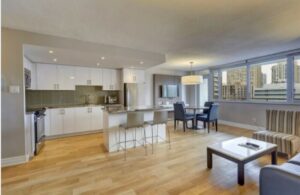
Creating a second suite can be an effective way to increase rental income, improve property cash flow, accommodate multi-generational living or make more efficient use of an existing home. For an investor, the opportunity can be particularly attractive because the additional unit may increase revenue without requiring the acquisition of an entirely separate property.
The project can also look deceptively simple. An investor walks through a house and sees an unfinished basement, or perhaps a basement that already contains bedrooms, a bathroom, a kitchen and a separate entrance. It is easy to begin calculating potential rent before understanding what would actually be required to turn that space into a legal, safe and properly functioning residential unit.
That is where the investment analysis needs to begin. A second suite should be approached as more than a renovation project. It involves planning, approvals, construction, financing, insurance, landlord responsibilities and long-term property management. The investment works only when those pieces support one another.
Start With Whether the Property Can Support the Plan
Before discussing finishes, rental rates or construction budgets, the investor should determine whether the property can reasonably accommodate the proposed additional unit.
Ontario’s planning framework has expanded permissions for additional residential units, including circumstances where up to three residential units may be permitted in a detached, semi-detached or rowhouse property. Provincial rules, however, do not eliminate the need to understand municipal zoning, building requirements and other property-specific constraints.
Local requirements can affect parking, entrances, servicing, setbacks, lot configuration, registration or licensing and other aspects of the project. The fact that another property nearby contains a basement apartment does not establish that an identical conversion can be completed on the property being considered.
An existing second suite also should not automatically be assumed to be legal or properly approved simply because it has been occupied for many years. Investors purchasing properties with existing units should still determine what approvals, permits and documentation are available and whether the present configuration reflects those approvals.
This is the first important distinction between seeing rental potential and evaluating an investment opportunity.
A Building Permit Is Part of the Investment, Not an Administrative Detail
Creating a second unit in an existing house generally requires a building permit, and the municipality will review the proposed construction for compliance with the applicable Building Code requirements. Inspections then occur during construction at the stages required by the building department. Ontario’s own guidance specifically directs owners to speak with local planning and building departments before beginning and identifies permits and inspections as fundamental parts of creating a legal second unit.
For an investor, the permit process is important for reasons beyond regulatory compliance. It creates a documented history of the work, gives municipal inspectors an opportunity to review construction while key components remain visible and can provide future buyers, lenders and insurers with better information about how the unit was created.
Unpermitted work can have the opposite effect. A renovation may look excellent while leaving unanswered questions about framing, fire separation, electrical systems, plumbing, ventilation or structural alterations hidden behind finished surfaces. Those questions can become considerably more expensive to resolve after the project is complete.
Professional Insight: The value of a permit is not simply that the municipality issued permission to renovate. It creates a process through which important parts of the work can be reviewed before they disappear behind finished walls and ceilings.
Building-Code Compliance Needs to Be Designed for the Particular House
Second-suite projects often become more complicated when investors try to work backward from general rules rather than beginning with the actual building.
Ontario’s Building Code contains requirements addressing matters such as room sizes, ceiling heights, windows, plumbing, heating and ventilation, electrical facilities, fire safety, smoke alarms, carbon-monoxide alarms and exits. The specific requirements can also depend upon factors such as the age and configuration of the house. Ontario notes, for example, that existing houses more than five years old can have different renovation provisions from newer buildings.
That flexibility can be useful, particularly in older housing stock where rebuilding every component to new-construction standards may be impractical. It should not, however, be interpreted as permission to assume that a particular construction detail will automatically be acceptable.
A qualified designer, architect, engineer or other appropriate professional can help determine how the applicable requirements should be addressed in the actual property. This is usually more reliable than designing the project around isolated specifications found online or copied from another renovation.
The objective is not merely to make the space look like an apartment. It is to create a dwelling unit that functions as a dwelling unit within the regulatory and physical constraints of the existing building.
Fire and Life Safety Need to Be Considered as a System
Fire separation is often one of the first technical issues investors associate with second suites, and for good reason. Creating two dwelling units within one building changes how fire and smoke can affect occupants and how people need to be protected while exiting the property.
Ontario’s guidance identifies fire separations, interconnected smoke alarms, carbon-monoxide alarms and exits among the important Building Code considerations involved in creating second units.
The important point is that these measures should not be treated as isolated construction details. A wall or ceiling assembly, alarm system, door, duct penetration and exit route can all form part of the same life-safety strategy. Changing one component may affect what is required elsewhere.
This is another reason a second-suite design benefits from being considered as a complete system rather than a collection of individual renovation tasks. A contractor may be very good at framing or drywall, but the overall design still needs to account for how the two dwelling units interact from a fire- and life-safety perspective.
Mechanical and Electrical Capacity Can Affect Feasibility
A proposed suite can fit physically within a basement or upper floor while placing new demands on systems that were originally designed for a single household.
Heating and ventilation may require modification. Electrical service may need to accommodate additional kitchens, appliances and loads. Plumbing alterations may be necessary to support another bathroom, laundry arrangement or kitchen. Depending upon the property, drainage, water supply or other infrastructure may also influence what can realistically be constructed.
These considerations should be investigated before the project budget is treated as reliable. The visible renovation—walls, flooring, cabinetry and fixtures—may represent only part of the cost. Upgrades to building systems can become some of the more significant expenditures, particularly in older houses.
Investors should therefore evaluate both the space and the infrastructure supporting it. A large unfinished basement is not automatically an inexpensive second-suite opportunity if the building requires substantial mechanical, electrical or plumbing work before the unit can operate properly.
Construction Cost Should Be Evaluated Against the Income It Creates
One of the most common mistakes in second-suite planning is beginning with the projected monthly rent and treating the construction cost as something that can be refined later.
The more disciplined approach is to consider the complete capital requirement first. Design fees, permits, demolition, fire separation, plumbing, electrical work, HVAC modifications, windows, waterproofing, kitchens, bathrooms, flooring, sound control and finishing can all contribute to the final project cost. Older properties may also reveal hidden conditions once construction begins.
A contingency reserve is therefore important. Renovation projects frequently uncover conditions that could not reasonably be confirmed before walls or ceilings were opened, and an investment that works only if every component stays at the original estimate may have very little room for error.
The investor should then compare that capital requirement with realistic rent, operating costs and the expected holding period. A suite that costs considerably more to build may still make sense where it generates durable income and improves long-term property utility. Another project may produce attractive gross rent while providing a relatively poor return on the capital required to create it.
The better question is therefore not simply, “How much rent can the basement generate?” It is what return does the completed project reasonably produce on the money and risk required to create it?
Insurance Should Be Addressed Before the Unit Is Occupied
Adding a second dwelling unit changes how the property is used, and that change should be discussed with the insurer.
Rental occupancy, renovations, additional kitchens, changes to electrical or mechanical systems and the creation of another dwelling unit can all be relevant to underwriting. Investors should avoid assuming that the existing homeowner or landlord policy automatically continues unchanged simply because the property itself has not been sold.
It is much easier to resolve insurance requirements during planning and construction than after a tenant has moved in. The insurer may require particular documentation or confirmation relating to the completed work, and knowing those expectations early can prevent a last-minute problem.
Insurance should therefore be considered alongside permits and financing as part of the feasibility analysis, not as something to arrange only after construction has been completed.
Financing and Appraisal Need to Be Considered Conservatively
A second suite may improve property value and refinancing potential, but investors should avoid assuming that every dollar spent on construction will translate into an equivalent increase in appraised value.
Lenders may also differ in how they recognize rental income, what documentation they require and how they evaluate legal or existing additional units. A projected rental income that appears attractive in the investment model may not be treated exactly the same way for mortgage qualification or refinancing.
The investor should therefore consider both the current financing required to complete the project and the longer-term financing strategy after the suite is operating. If refinancing is an important part of recovering construction capital, assumptions about future value and recognized rental income should be tested before the project begins.
This is particularly important where the investor is relying heavily upon borrowed capital. A suite can perform well operationally and still create financial pressure if the anticipated refinance does not materialize on the expected terms.
Sound, Privacy and Day-to-Day Function Matter More Than Investors Sometimes Expect
A suite can technically satisfy regulatory requirements and still be a poor rental product if it was designed only around construction efficiency.
Sound transmission between units, access to laundry, parking, storage, garbage, outdoor space, utility arrangements and the location of entrances can all influence how successfully two households share the same property.
These issues also influence landlord workload. A layout that creates repeated conflicts over parking, noise, laundry or shared areas may generate more management difficulty than a design that considered those interactions from the beginning.
Good second-suite planning therefore considers the experience of both households. The objective should be to create two functional living environments rather than simply dividing one house into two rentable areas.
That tends to support tenant satisfaction, reduce operational friction and improve the long-term marketability of the property.
Creating the Suite Also Creates an Ongoing Landlord Business
Construction is only the beginning.
Once the unit is rented, the owner assumes ongoing responsibilities relating to tenant screening, leases, maintenance, repairs, privacy, notices, insurance, property standards and Ontario’s residential tenancy framework. The second suite may improve property cash flow, but it also adds another household relationship that needs to be managed.
Investors who evaluate only the additional rent can therefore underestimate the operating component of the decision. Maintenance may increase, utilities may need to be allocated differently and common areas or shared systems can require ongoing coordination between tenants.
The most successful investors tend to approach rental ownership as an operating business rather than passive income that continues automatically after the renovation is complete.
That does not mean the investment needs to become complicated. It means the landlord should understand that the financial return depends partly upon how effectively the property and tenancy are managed after occupancy begins.
Professional Insight: The investment decision does not end when the renovation is complete. A second suite creates both an additional income stream and an additional operating responsibility, and the long-term return depends upon managing both.
An Existing Suite Should Be Investigated Before It Is Valued as an Asset
Second suites frequently appear in resale properties, and buyers may understandably attribute additional value to the rental income they appear capable of producing.
That income should be investigated before it is simply incorporated into the purchase analysis.
The buyer should understand what approvals and permits exist, whether municipal registration or licensing applies, how the unit is configured, what tenancy arrangements are in place and whether insurance and financing assumptions reflect the actual use.
A property marketed as having a basement apartment can present very different risk from a property where the suite has a documented approval and inspection history. The physical spaces may look similar, but the future cost and uncertainty associated with them can be very different.
This is particularly important where the investor intends to rely upon the existing rental income immediately after closing. Any uncertainty about legality, safety or continued use should be investigated while appropriate purchase conditions remain available rather than discovered after ownership has transferred.
Resale Value Depends Upon More Than Having Two Kitchens
A properly designed and documented second suite can strengthen a property’s future marketability because another purchaser may value the rental income, multi-generational flexibility or additional living space.
The opposite can also occur. A poorly configured or undocumented suite may create questions for buyers, lenders and insurers and can lead purchasers to discount the income or budget for remedial work.
Documentation therefore becomes part of the asset. Building permits, inspection records, drawings, invoices and other information relating to the conversion can help a future purchaser understand what was done and how the second unit came to exist.
Investors often think about documentation primarily during construction. Its value may become most visible years later when the property is refinanced or sold.
The Opportunity Should Be Evaluated Before the Renovation Begins
A second suite can be an excellent investment strategy, but the decision should ideally be made before a contractor begins removing walls.
The investor should understand whether the property can support the proposed unit, what approvals and professional design may be required, what building systems need modification, how much construction is realistically likely to cost and what income the finished unit can reasonably generate.
Financing, insurance, property management and future resale should also be considered because the project does not exist independently from the rest of the investment.
When those pieces fit together, a second suite can improve cash flow, expand housing options and make more efficient use of an existing property. When the analysis is reduced to available basement space and projected rent, investors can underestimate the amount of capital, coordination and long-term responsibility involved.
Creating a second suite should therefore be approached as a structured investment project rather than a quick renovation opportunity.
The objective is not simply to create another unit.
It is to create an additional residential asset that is legally supportable, physically functional, financially sensible and manageable over the long term.
Final Thoughts
A second suite can be an excellent way to improve property income and make better use of an existing residential asset, but the investment should be evaluated as a complete project rather than simply as additional rent. The strongest opportunities are those where municipal permissions, building requirements, construction costs, financing, insurance and ongoing landlord responsibilities have all been considered before work begins.
The objective is not merely to create another rentable space. It is to create a unit that is legal, functional, financially sensible and manageable over the long term. When those elements are aligned, a second suite can strengthen both cash flow and future property utility. When they are not, the apparent income opportunity can be offset by construction risk, compliance issues, financing pressure or operational problems.
Guidance for Smarter Real Estate Decisions.
This article provides general information only and does not constitute legal, planning, building-code, engineering, financing, insurance or investment advice. Requirements vary by municipality, property and project. Investors should confirm current municipal requirements and obtain advice from appropriately qualified professionals before creating or relying upon an additional residential unit.
Written by Rodney Harvey, Broker of Record at Konfidis, Brokerage providing advisory-focused commercial, industrial, investment, and real estate brokerage services across Oshawa, Durham Region, and Ontario.
Continue Building Your Investment Knowledge
You may also find these articles helpful:
 What Sophisticated Investors Look for Before Buying Property in Durham Region
What Do You Need to Know Before Buying Multi-Family Real Estate?
First-Time Home Buyers GST/HST Rebates in Canada (2026 Guide)
Assignment Sales and GST/HST Implications in Ontario
Understanding Cap Rates in Durham Region
Calculating Rental Property Profit in Ontario
7 Mistakes Buyers Make When Purchasing Investment Property in Oshawa
Put my expertise to work for you!
“If you require professional guidance regarding representation structure, transaction strategy, commercial leasing, investment property, due diligence, or real estate advisory services, consultation and representation options may be available depending on your objectives and circumstances.”